

Introduction to Class Balancing in World of Warcraft
Class balancing is a cornerstone of maintaining a fair and engaging experience in World of Warcraft (WoW). As the game evolves with new expansions and patches, Blizzard continually tweaks class abilities, talents, and mechanics to ensure no single class or specialization dominates the meta. These adjustments are crucial for both Player versus Environment (PvE) and Player versus Player (PvP) scenarios, fostering a diverse and competitive gameplay environment. This article explores the recent class balancing changes in WoW and delves into the community’s perspectives on these modifications.
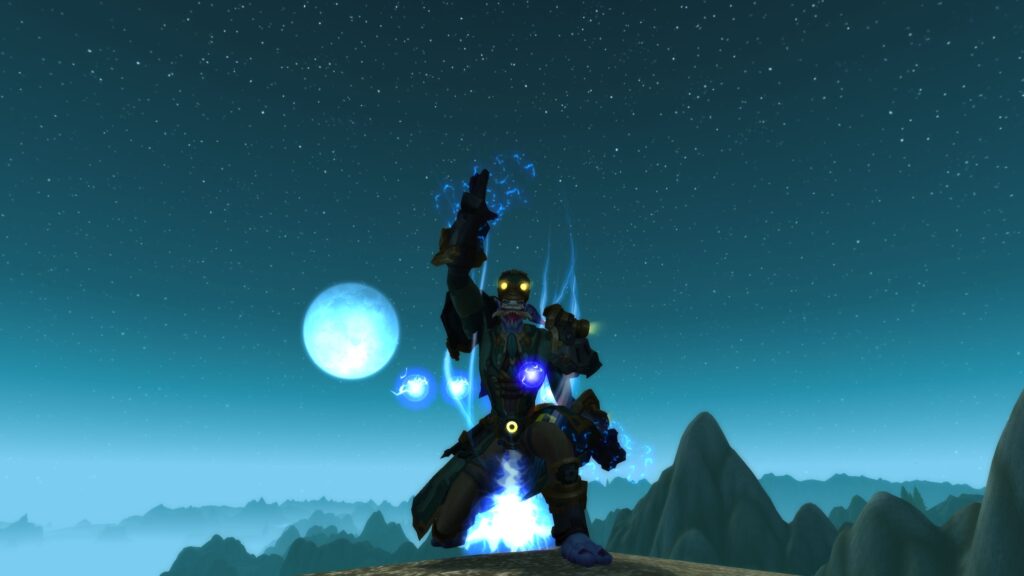
Overview of Recent Balancing Changes
The latest patch, 11.3.0, introduced significant adjustments across several classes to address balance issues identified by the community and performance metrics. These changes aim to enhance gameplay fairness, encourage diverse playstyles, and respond to player feedback.
- Mage: Increased the cooldown of the “Blizzard” spell from 60 seconds to 75 seconds to prevent it from being overly dominant in PvP encounters.
- Warrior: Enhanced the “Shield Slam” ability by adding a chance to block incoming attacks, improving survivability in both PvE and PvP settings.
- Druid: Adjusted the mana regeneration rate in Restoration specialization to balance healing output with resource management.
- Rogue: Reduced the duration of the “Stealth” ability by 2 seconds to encourage more active engagement in combat scenarios.
- Priest: Increased the healing potency of “Power Word: Shield” by 10%, providing better damage mitigation for allies.
These adjustments are part of Blizzard’s ongoing efforts to refine class interactions and ensure a balanced competitive landscape.
Community Reactions: Praise and Concerns
The WoW community has been actively discussing the recent class balancing changes, with a mix of positive feedback and constructive criticism. Understanding these perspectives is essential for Blizzard to make informed decisions in future updates.
- Positive Feedback: Many players appreciate the efforts to balance classes, noting that the changes have reduced the dominance of previously overpowered abilities and encouraged more strategic gameplay.
- Constructive Criticism: Some players feel that certain adjustments may have unintended consequences, such as reducing the effectiveness of key abilities that are central to a class’s identity.
- Desire for Further Tweaks: A portion of the community suggests additional tweaks to achieve optimal balance, particularly in PvP scenarios where minor adjustments can significantly impact outcomes.
- Appreciation for Transparency: Players commend Blizzard for their transparency in explaining the reasoning behind each change, fostering trust and understanding within the community.
Overall, the community’s reactions highlight the delicate balance Blizzard must maintain to satisfy a diverse player base with varying preferences and playstyles.
Impact on PvE and PvP Gameplay
The recent class balancing changes have had notable effects on both PvE and PvP gameplay, influencing how players approach different aspects of the game.
- PvE Enhancements: Classes that received survivability tweaks, such as Warriors and Priests, are now better equipped to handle prolonged battles, improving their effectiveness in raids and dungeons.
- PvP Balance: Adjustments to key abilities have leveled the playing field, allowing support and hybrid classes to contribute more effectively in PvP matches without feeling outmatched.
- Meta Shifts: Certain classes have experienced shifts in their standing within the meta, with previously underperforming roles gaining prominence and overperforming ones being tempered.
- Team Synergy: Enhanced utility abilities have fostered better team coordination and synergy, particularly in coordinated group activities and competitive play.
These impacts underscore the importance of continuous balancing to maintain a dynamic and fair gameplay environment.
Specific Class Case Studies
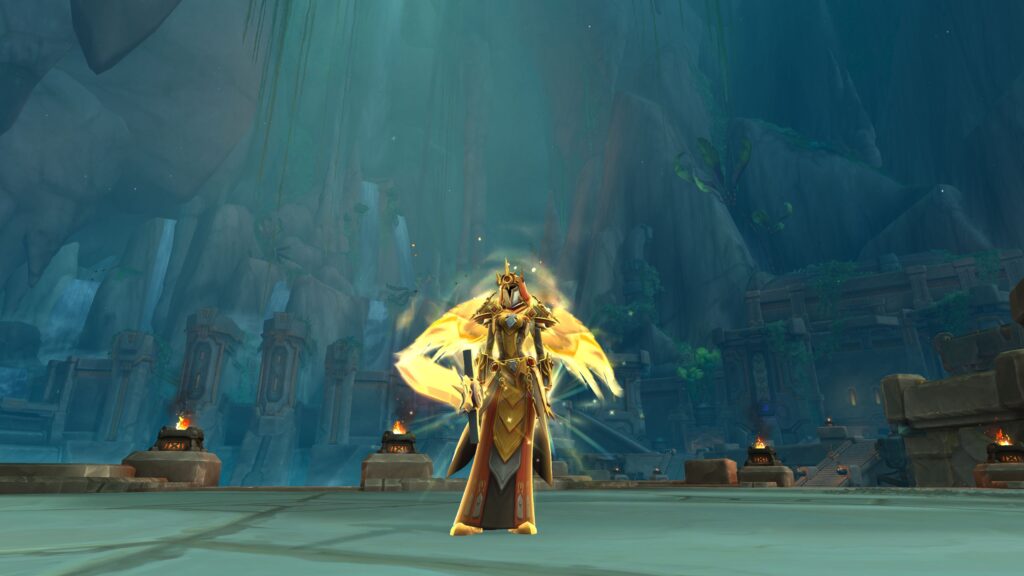
Examining specific classes in detail provides insight into how recent balancing changes have reshaped gameplay dynamics and player experiences.
- Mage: The cooldown increase for “Blizzard” has prompted players to adopt more varied spell rotations, reducing reliance on a single AoE ability and encouraging strategic positioning.
- Warrior: The enhancement to “Shield Slam” has made Warriors more resilient in both tanking and DPS roles, allowing for greater versatility and survivability during intense encounters.
- Druid: Adjusting mana regeneration in Restoration Druids has led to more efficient healing strategies, balancing sustained healing with resource conservation.
- Rogue: The reduction in “Stealth” duration has shifted Rogue playstyles towards more active engagement and tactical decision-making, enhancing their role in both PvE and PvP.
- Priest: The increased potency of “Power Word: Shield” has made Priests more effective in damage mitigation, improving their support capabilities in group settings.
These case studies highlight the nuanced effects of class balancing, demonstrating how targeted adjustments can influence playstyles and strategic choices.
Future Balancing Plans and Community Expectations

Blizzard has outlined plans for ongoing class balancing, emphasizing a commitment to addressing player feedback and adapting to evolving gameplay trends. The community remains eager for continuous improvements that enhance fairness and diversity within the game.
- Regular Updates: Blizzard intends to release periodic balancing updates to address emerging issues and refine class mechanics based on player performance data.
- Community Involvement: Increased transparency and opportunities for community feedback are planned, allowing players to contribute directly to the balancing process.
- Focus on Diversity: Efforts will be made to ensure a diverse and balanced meta, encouraging a wide range of classes and specializations to thrive in various gameplay scenarios.
- Enhanced Testing: Expanding the scope and depth of testing phases to identify and mitigate potential balance issues before updates reach live servers.
These future plans align with the community’s desire for a responsive and player-centric balancing approach, ensuring that WoW remains a dynamic and engaging MMORPG.
Conclusion: The Ongoing Journey of Class Balancing
Class balancing in World of Warcraft is a continuous and evolving process that plays a crucial role in maintaining the game’s competitive integrity and player satisfaction. The recent adjustments introduced in Patch 11.3.0 have sparked meaningful conversations within the community, highlighting both the successes and areas for improvement in Blizzard’s balancing efforts.
As WoW continues to grow and adapt, the collaborative relationship between Blizzard and its player base will be essential in shaping the future of class balancing. By valuing player feedback, embracing transparency, and committing to ongoing refinement, Blizzard ensures that World of Warcraft remains a fair, diverse, and exhilarating experience for all adventurers in Azeroth.
Home




Leave a Reply