

Spell design is one of the most defining elements of the experience — an art form that marries fantasy with physics, mysticism with clarity, and spectacle with readability. Every spell cast tells a story: what school of magic it belongs to, what force it represents, and how powerful it feels. The visuals must be beautiful, logical, and instantly recognizable while still fitting within the larger aesthetic of the world.
This article explores how spell design blends scientific principles, magical fantasy, and artistic harmony to create abilities that feel impactful, intuitive, and emotionally satisfying.

Magic Rooted in Visual Logic
Even the most fantastical spells follow visual rules. Fire expands upward and outward. Ice forms jagged, angular patterns. Shadow magic curls inward, swallowing light. These design principles ensure that spells feel believable, even when they defy natural laws. The visual language creates cohesion — players intuitively understand what a spell represents before reading a tooltip.
Visual logic anchors magic in familiarity.
Color as the Language of Power
Color is one of the most important storytelling tools in spell design. Each magic school relies on a distinct palette to signal danger, purpose, or mood. Holy magic glows warmly with gold and white; arcane pulses with blues and violets; nature spells swirl with greens and earth tones; necromancy drips with rotten purples and toxic greens. Color turns a simple projectile into an expression of identity.

To illustrate color’s role in spell identity, here is a simple overview:
| Magic School | Primary Colors | Emotional Tone |
|---|---|---|
| Arcane | Violet, blue | Precision, intellect, volatility |
| Fire | Orange, red, gold | Aggression, passion, destruction |
| Nature | Green, brown | Growth, balance, resilience |
| Shadow | Purple, black | Fear, secrecy, corruption |
| Holy | White, yellow | Hope, clarity, restoration |
Animation as Emotional Expression
Animations turn spells into living movements. The speed of a cast, the swirl of energy, the impact upon landing — these details shape emotional response. A slow, heavy spell conveys weight and ancient power. A quick flash suggests agility or precision. Animations must communicate intent and feeling without overwhelming the player or visual space.
Movement breathes life into magic.
Sound Design as the Final Layer of Magic
Spell audio is often subtle but essential. A crackling ember, a shimmering arc of runes, a whisper of shadow — these sounds deepen immersion and help players identify spells instantly. Audio ties science and fantasy together, turning otherwise silent visuals into sensations players can feel.
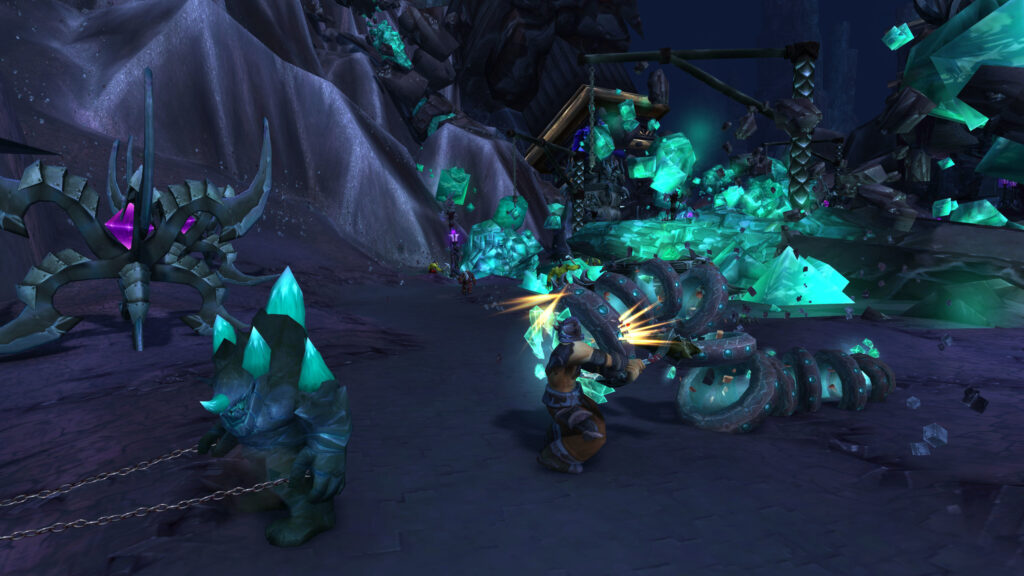
Sound transforms magic into emotion.
Harmony Through Clear Readability
Even the most visually stunning spell must remain readable in chaotic encounters. Designers balance spectacle with clarity by limiting visual noise, defining silhouettes, and creating consistent shapes. This ensures combat feels intense but not overwhelming, cinematic but still functional.

Harmony emerges where beauty meets clarity.
Conclusion
Spell design blends scientific logic, magical imagination, color theory, animation, and sound to create a cohesive experience that feels impactful and intuitive. Through visual harmony and emotional storytelling, each spell becomes more than an ability — it becomes an expression of identity, power, and fantasy.



Leave a Reply