
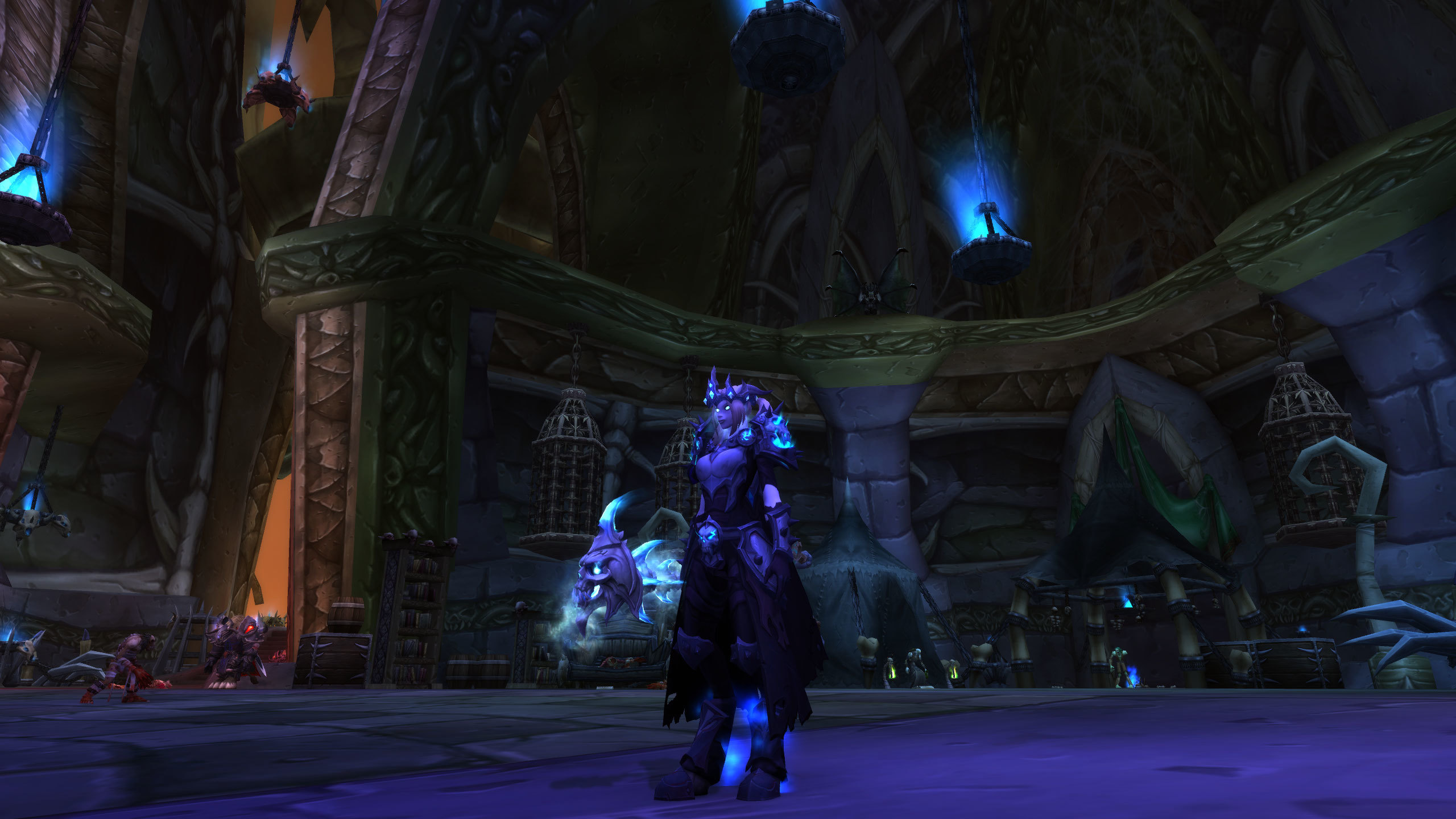
Enemies in WoW are more than obstacles—they are characters. Even minor mobs tell stories through the way they move, attack, idle, react to damage, or call for allies. Blizzard’s designers have spent decades refining enemy behavior, animation cycles, silhouette language, and sound design to create distinct personalities across factions and creature types. These subtle traits influence how players perceive danger, humor, aggression, or mystery long before they read a quest or engage in dialogue.

This article explores how WoW’s enemy design creates personality through animation, combat styles, behavior patterns, and environmental context, revealing how much character is hidden in details many players take for granted.
Silhouette: The First Impression of Every Foe
Silhouette is the foundation of enemy personality. Before players even approach a mob, they can often identify what kind of threat it poses simply from its outline. Broad shoulders and towering stances indicate brutes, while thin, erratic shapes imply agility or magic. Blizzard uses exaggerated forms to communicate function instantly, ensuring players understand danger through visual language alone.
This clarity becomes crucial in fast-paced encounters where a single glance must convey combat priorities.
Idle Animations Convey Personality and Intent
Idle animations give enemies a sense of life even before combat begins. A gnoll sharpening its weapon, a murloc fidgeting nervously, or a tattered undead swaying with eerie imbalance—each animation communicates mood. These idle cycles set emotional tone, hinting at nervous energy, brute confidence, or lurking aggression.
Players often remember these details subconsciously, associating them with entire factions or race archetypes.
Movement Patterns That Tell Stories
An enemy’s movement does more than reposition them in combat. It communicates personality. For example, spiders scuttle with unsettling speed, drakes glide with sweeping majesty, and kobolds shuffle anxiously. These animations tell players what to expect in combat—skittering mobs might lunge unpredictably, while lumbering ogres will telegraph heavy swings.

Even patrol routes help define behavior. Calm, wide patrols imply territorial guardians, while jittery, erratic pacing implies paranoia or corruption.
- Wide, steady patrols: guards, soldiers, disciplined enemies
- Erratic darting: unstable creatures or magically influenced mobs
- Crouched stalking: predators and ambushers
- Hovering or drifting: spectral or arcane entities
- Heavy stomping: brutes or mechanically powered creatures
Combat Stance and Attack Rhythm
Combat identity for enemies is defined by how attacks are telegraphed and executed. Heavy melee mobs wind up slow but deal devastating blows, while daggers or claws strike with rapid repetition. Caster mobs use posture and casting animations to signal danger—staff-raising, orb gathering, runic gestures, or swirling elemental effects.
These rhythms determine how players respond. Slow wind-ups encourage precise dodging, while fast attacks promote continuous movement or interrupt timing.
Hit Reactions and Feedback
Every enemy has distinct hit reactions that give combat weight and realism. A centaur might stagger backward from a heavy slam, while a rock elemental shows cracks forming with each hit. These reactions communicate how tough or fragile an enemy feels. They also create emotional engagement—players enjoy watching foes respond convincingly to their abilities.

Blizzard tunes hit reactions to reinforce fantasy: ethereal mobs shimmer violently instead of staggering, while undead continue advancing despite piercing hits, adding unsettling persistence.
Death Animations Define Narrative Tone
Death animations are often overlooked, yet they are crucial to character expression. A druidic creature collapsing peacefully conveys tragedy, while a demon exploding into fel sparks reinforces chaos. Enemy deaths can be humorous (kobolds flailing) or dramatic (liches dissolving into arcane dust). These moments ensure combat feels satisfying but also emotionally contextualized.
Even temporary defeats—such as stunned or phased animations—carry narrative significance tied to enemy identity.
Sound Design Breathes Life Into Enemies
Enemy personality relies heavily on sound design. The guttural roar of an orc, the piercing screech of a harpy, the trembling rattle of a skeletal warrior—all these audio cues reinforce visual identity. Sounds shape emotional expectations: eerie whispers signal threats in dark zones, while animalistic snarls set aggressive tones.
Blizzard layers multiple sound effects—footsteps, breaths, attacks, impacts—to build believable enemy presence.
Behavior Scripts and the Illusion of Intelligence
Enemy AI may be simple, but behavior scripts create the illusion of intelligence. Wolves circle before lunging, humanoids retreat when low on health, and elementals pulse with unstable energy before exploding. Some mobs call for help, heal allies, or target vulnerable players. These behaviors differ widely between factions and creature families, making each encounter feel unique.
Such behaviors enhance immersion and communicate personality, even in basic open-world combat.
Zone Context Influences Enemy Personality
Environment shapes enemy design as much as animation. Nerubians feel methodical and ancient because of the intricate underground architecture surrounding them. Centaur animations in Ohn’ahran Plains emphasize speed and nomadic culture. In The War Within, The Ringing Deeps uses lighting and shadow to enhance the presence of earthen constructs and crystalline horrors.
Visual context reinforces personality, turning geography into storytelling.
Dungeon and Raid Bosses: Personality Through Mechanics
Boss encounters use animation and mechanics to create theatrical personality. A boss with slow, crushing blows becomes a symbol of brute dominance. One who teleports across the arena expresses cunning or madness. Bosses who chant, gesture dramatically, or shift posture during phases create emotional highs and lows throughout combat.

WoW bosses are effectively mini-characters, defined not by dialogue alone but by dramatic movement and visual expression.
Why Enemy Personality Matters
The personality of enemies makes the world feel alive. It enhances combat depth, creates lasting memories, and grounds players in the fantasy of the universe. Without these layered animations and behaviors, enemies would feel weightless and interchangeable. Instead, WoW’s mobs feel like inhabitants of Azeroth, each with their own identity shaped through movement, sound, and combat style.
This attention to detail is a major reason WoW’s enemies remain some of the most recognizable and iconic in MMO gaming.
Conclusion
WoW’s enemy design succeeds not because of raw difficulty, but because of character. Animation, movement, sound, AI behavior, and environmental context all combine to create foes that feel alive, distinct, and emotionally resonant. Every creature—from minor critters to towering bosses—expresses personality through subtle visual storytelling.
This design philosophy shapes how players perceive danger, humor, tension, and triumph, making every encounter a small narrative shaped not just by mechanics, but by character-driven detail.

Leave a Reply