

Introduction: Stepping Into the World of Raiding
Raiding in World of Warcraft (WoW) is one of the most exciting and rewarding aspects of the game. Whether you’re tackling a 10-player Normal raid with friends or striving for Mythic world-first achievements, the thrill of overcoming difficult bosses, collecting powerful gear, and working as a team is unparalleled.
However, for new players, raiding can feel overwhelming. What gear do you need? How do you find a raid group? What are mechanics, and why do people keep yelling “DPS the adds”? If you’re looking for a beginner WoW raid guide to help you navigate the basics, this article will cover everything you need to know about how to start raiding WoW successfully.
By the end of this guide, you’ll understand the different raid difficulties, the fundamentals of team coordination, role-specific responsibilities, and how to prepare for your first raid.
Understanding Raids in WoW: What Are They?
At its core, a raid is a large-scale PvE (Player vs. Environment) event where a group of players enters an instanced dungeon to fight through multiple challenging boss encounters. Unlike dungeons, which typically consist of 5 players, raids require groups of 10-30 players (depending on difficulty) and involve complex mechanics that require teamwork, communication, and preparation.
Raid Difficulties Explained
Raids in WoW come in four difficulty levels, each offering a different challenge:
- Looking for Raid (LFR) – The most accessible difficulty, designed for casual players who want to experience the storyline without the stress of organization. Mechanics are simplified, and groups are formed automatically.
- Normal – The standard entry-level difficulty, where mechanics become more demanding, requiring basic coordination.
- Heroic – A step up from Normal, requiring organized teams, knowledge of mechanics, and optimized gear.
- Mythic – The hardest difficulty, offering high-end challenges that demand near-perfect execution and coordination.
For new players, starting with Normal mode is the best way to learn raid mechanics and improve teamwork skills before moving to harder difficulties.
Getting Started: How to Start Raiding in WoW
1. Choosing the Right Role: Tank, Healer, or DPS?
Before you can join a raid, you must decide which role you want to play. Every raid consists of:
- Tanks – The frontline defenders who absorb boss attacks and control positioning.
- Healers – Support players who keep the raid alive by restoring health and mitigating damage.
- DPS (Damage Dealers) – The primary damage-dealers who focus on killing the boss while handling mechanics efficiently.
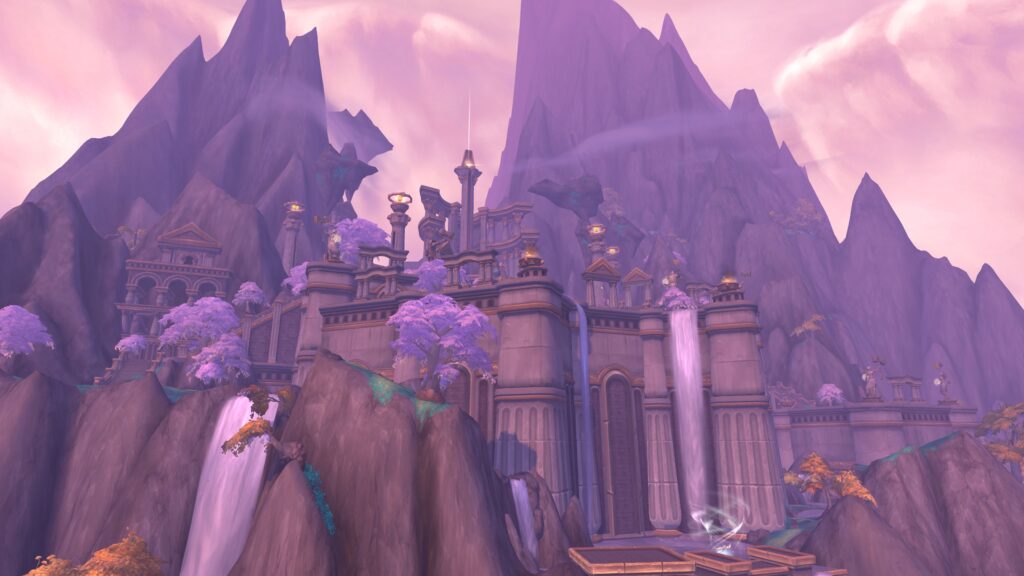
Each role comes with its own responsibilities. If you’re new to raiding, DPS is usually the easiest entry point, as it allows you to learn mechanics without the pressure of leading fights (Tanks) or keeping everyone alive (Healers).
2. Gearing Up for Raiding
Before joining a raid, you’ll need appropriate gear to ensure you can contribute effectively. The higher your item level (ilvl), the stronger your character will be.
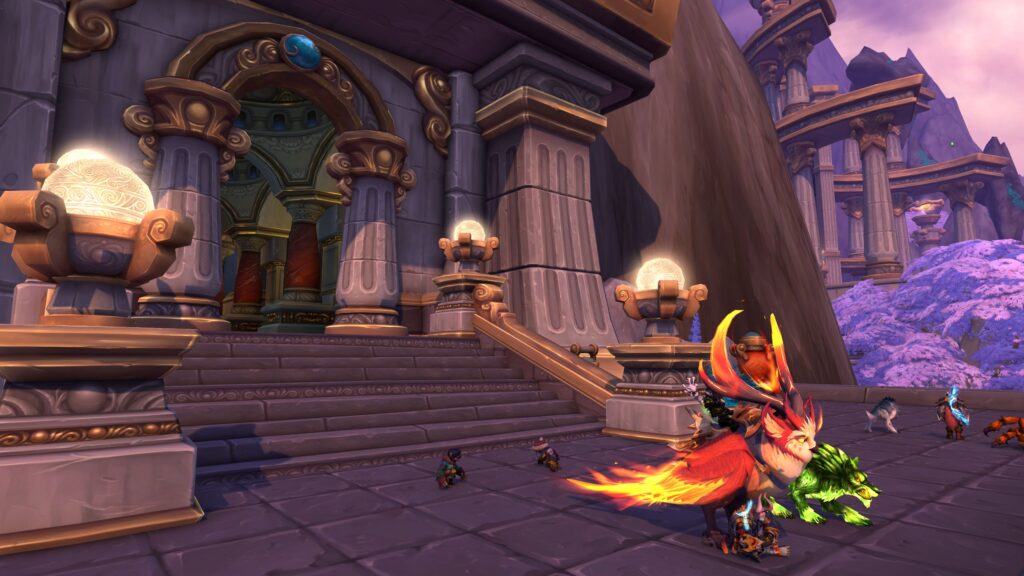
To prepare:
- Complete Mythic+ dungeons and world quests to increase your ilvl.
- Use PvP gear if necessary, as it can be viable in early raiding.
- Check your spec’s best stats and optimize gear accordingly.
- Get enchanted weapons, armor, and trinkets to boost performance.
3. Finding a Raid Group
There are several ways to find a raid team:
- Guild Raiding – Joining a raiding guild is the most consistent way to progress in raids with an organized group.
- PUGs (Pick-Up Groups) – Using the in-game Group Finder (Premade Groups > Raids) allows you to join a random team.
- Community Raids – Some communities host beginner-friendly raids to teach mechanics and help new players.
If you’re new to raiding, joining a guild or community raid is highly recommended, as you’ll receive guidance, explanations, and a structured experience.
Raid Preparation: Setting Yourself Up for Success
Understanding Boss Mechanics
Each raid boss has unique mechanics, requiring players to position correctly, dodge abilities, and manage key phases. Learning these mechanics is essential to avoiding unnecessary deaths and contributing effectively.
To prepare:
- Watch strategy videos on YouTube or read guides on websites like Wowhead or Icy Veins.
- Use in-game addons like Deadly Boss Mods (DBM) or BigWigs to receive alerts for mechanics.
- Join Discord servers where experienced players discuss strategies.
Communication and Coordination

Raiding is a team effort, and effective communication is crucial. If your group uses voice chat (Discord, TeamSpeak, or in-game voice chat), be ready to:
- Listen to raid leaders for instructions.
- Call out key mechanics (if assigned to do so).
- Stay calm and focused, even during difficult moments.
Bringing Consumables and Raid Buffs
To maximize your performance, always bring raid consumables, including:
- Flasks and potions for increased damage or healing output.
- Food buffs to boost your stats.
- Augment runes for extra power in high-end raids.
A well-prepared raider always carries these items to ensure their team has the best chance of success.
Role-Specific Beginner Strategies for Raiding
For Tanks: Holding the Line
Tanks are the leaders of the raid, responsible for boss positioning, aggro management, and defensive cooldown usage. New tanks should:
- Learn boss positioning rules to avoid wiping the raid with frontal cleaves or tail swipes.
- Communicate taunt swaps with the other tank to handle mechanics properly.
- Use mitigation abilities at the right time to reduce incoming damage spikes.
For Healers: Keeping the Raid Alive
Healing in raids is about balancing mana efficiency with burst healing. As a new healer:

- Focus on keeping tanks alive first, then the raid.
- Use cooldowns wisely, saving them for intense damage phases.
- Avoid overhealing, as it wastes mana unnecessarily.
For DPS: Maximizing Damage and Handling Mechanics
DPS players must balance dealing damage with following mechanics correctly.
- Focus on priority targets first (adds before the boss if required).
- Learn your optimal damage rotation to ensure consistent performance.
- Use defensive cooldowns to survive raid-wide damage phases.
Common Beginner Mistakes and How to Avoid Them
Every new raider makes mistakes, but learning from them will speed up your progress. Some of the most common errors include:
- Not researching fights beforehand – Always study boss mechanics before entering a raid.
- Ignoring mechanics to chase DPS meters – Surviving is more important than dealing extra damage.
- Not using consumables – Always bring flasks, potions, and food to boost performance.
- Standing in avoidable damage – Move out of fire, circles, or any marked danger zones.
Avoiding these mistakes will help you become a reliable, skilled raider over time.
Transitioning from Beginner to Advanced Raiding
Once you’ve successfully completed your first few raids, you might wonder: What’s next? Raiding is a constantly evolving experience, and the more you practice, the better you’ll become. But if you truly want to progress beyond Normal mode and into Heroic or even Mythic raids, there are a few things to focus on.
1. Mastering Your Class and Specialization
At lower raid difficulties, you can often get away with a suboptimal rotation or misusing abilities, but as you progress, you’ll need to fully understand your class specialization.
- Learn your best talent choices for different fights—some encounters may require a burst-heavy build, while others favor sustained damage.
- Understand your cooldown usage—most classes have offensive, defensive, and mobility cooldowns, and using them at the right moments can make a massive difference.
- Experiment with macros and keybinds—a well-optimized UI and keybinding setup will allow you to react faster to raid mechanics.
Using external resources like class Discord communities, Wowhead guides, Icy Veins, and Warcraft Logs can help you analyze your performance and make necessary improvements.
2. Understanding Advanced Raid Mechanics
As you move up in difficulty, bosses become less forgiving, and mechanics require quicker reactions. Some examples of advanced mechanics you’ll encounter in higher difficulties include:

- Soft enrage timers: If the fight takes too long, the boss gains increased damage or speed, eventually wiping the raid.
- Tightly coordinated cooldown usage: Healers must time their big heals correctly, and DPS should align their burst phases with damage multipliers.
- Strict positioning requirements: Some fights require precise movement, such as standing in specific formations or spreading out to avoid stacking damage.
The best way to prepare for these mechanics is by watching boss fight videos, reading strategy guides, and practicing in lower difficulties before attempting Heroic or Mythic raids.
Improving Raid Awareness: The Key to Success
One of the biggest differences between a casual raider and a skilled raider is raid awareness. This refers to your ability to keep track of mechanics, your positioning, your rotation, and team coordination—all at the same time.

How to Improve Raid Awareness
- Train Your Eyes to Watch the Whole Screen
Many beginners get too focused on their action bars or damage meters, causing them to miss crucial mechanics. Try to train yourself to watch the fight itself, only glancing at your cooldowns when necessary. - Use UI Add-ons to Reduce Information Overload
Customizing your UI (User Interface) is essential for maintaining raid awareness. Add-ons like WeakAuras can help by giving clear visual cues for important mechanics, while boss mods like Deadly Boss Mods (DBM) or BigWigs will warn you about upcoming attacks. - Develop a Habit of Checking Your Positioning
Many raid wipes occur because players aren’t standing where they need to be. Always position yourself according to the strategy, whether that means stacking in a safe zone, spreading out for an AoE attack, or staying behind the boss to avoid cleaves. - Anticipate Mechanics Instead of Reacting Late
Great raiders don’t wait for mechanics to happen—they prepare in advance. If you know a massive AoE attack is coming in five seconds, start moving before the damage hits. The better you anticipate mechanics, the smoother your execution will be.
Adapting to Different Encounter Types
Not all raid fights are the same. Some bosses are single-target fights, while others are add-heavy, requiring DPS to shift focus frequently. There are also high-movement encounters and survival-focused endurance fights that require completely different approaches.
Types of Raid Encounters and How to Adapt
- Single-Target DPS Checks: These fights demand pure boss damage output with minimal distractions. DPS must ensure perfect rotation execution, while healers should focus on steady tank healing.
- AoE and Add Control Fights: Some encounters involve waves of adds that must be dealt with quickly. DPS needs to prioritize targets correctly, while tanks should group enemies efficiently for cleave damage.
- Movement-Heavy Encounters: Fights like Sludgefist in Castle Nathria require constant repositioning. Melee DPS should use movement abilities wisely, while healers need to adapt their healing strategy for a mobile fight.
- Survival-Endurance Fights: Bosses like Raszageth in Vault of the Incarnates require teams to manage resources carefully over a long encounter. This means mana conservation for healers, cooldown management for tanks, and staggered DPS burst phases.
By learning how to adjust your playstyle depending on the encounter, you’ll be a more versatile and valuable raider.
Dealing with Raid Wipes: Learning from Failure
No matter how skilled your raid team is, wipes are inevitable. Even the best teams in the world wipe hundreds of times before securing a kill on new Mythic bosses. The key to becoming a better raider isn’t avoiding wipes—it’s learning from them.
How to Handle Raid Wipes Productively
- Figure Out What Went Wrong
After a wipe, don’t get frustrated—analyze what caused the failure. Did someone stand in a deadly mechanic? Did the tanks fail a taunt swap? Was healing insufficient at a crucial moment? Identifying the cause will help prevent repeat mistakes. - Communicate Without Blaming Others
If someone made a mistake, avoid aggressive callouts or blaming them. Instead, focus on constructive feedback. A simple “We need to be faster on interrupting that spell” is more effective than “You failed your interrupt again.” - Keep a Positive Attitude
Raiding can be challenging, and frustration can kill morale. Encouraging your team to stay positive and focused will make a massive difference, especially in progression content.
Handling Raid Drama and Group Conflicts
Since raiding involves large groups of players, conflicts are bound to happen. Whether it’s loot disputes, personality clashes, or disagreements on strategy, learning how to handle raid drama professionally will help keep your team together.

Common Causes of Raid Drama and How to Prevent Them
- Loot Disputes: If multiple players want the same item, it can cause tension. Using a fair loot system—like Loot Council, DKP, or Personal Loot—can minimize conflict.
- Personality Clashes: Not everyone in a raid team will get along. If arguments happen, encourage private discussions instead of public fights in voice chat.
- Blame Games: If a wipe occurs, avoid pointing fingers. Instead, focus on what the group can do better next time.
- Raid Leadership Challenges: If you’re a raid leader, keep a calm and authoritative approach when making decisions. It’s important to balance fairness with strong leadership to keep the team motivated.
By fostering a positive raid environment, you’ll create a stable, productive group that enjoys raiding together.
Final Thoughts: Becoming a Skilled Raider
Raiding in World of Warcraft is an exciting journey, and every player starts as a beginner. The key to long-term success is patience, preparation, and continuous self-improvement. As you progress from a casual raider to an advanced one, focus on mastering mechanics, refining your class skills, and contributing positively to your raid team.
By following this comprehensive beginner WoW raid guide, you’re now equipped with the knowledge, strategies, and mindset needed to become an exceptional raider. So step into your first raid, embrace the challenge, and start your journey toward epic boss kills and legendary loot!


Leave a Reply